What Is Indoor THCA Flower?
By The Flower Shop

Indoor THCA flower is hemp bud grown start to finish in a climate-controlled room and sold on the strength of its THCA content. THCA (tetrahydrocannabinolic acid) is the raw acid form of THC. It doesn't do much on its own, but heat turns most of it into delta-9 THC. "Indoor" refers to how the plant was grown: artificial light, controlled temperature and humidity, and no weather. Growers do this to get tighter, frostier, stronger-smelling buds.
Below we cover what THCA is, what indoor growing changes, and how to read a lab report.
What THCA Actually Is
The cannabis plant doesn't produce much THC directly. It makes THCA, an acid that builds up in the resin glands (trichomes) on the flower. When THCA is heated by a flame, a vape, or an oven, it loses a carboxyl group and becomes delta-9 THC. That reaction is called decarboxylation. The 2018 Farm Bill defined hemp by its delta-9 THC concentration ("not more than 0.3 percent on a dry weight basis").
What Makes Flower "Indoor"
Indoor flower is grown inside a sealed or semi-sealed room, where the grower controls:
- Light: the intensity, spectrum and hours of light per day
- Climate: temperature, humidity and airflow, which help prevent mold and stress
- Pests and weather: no rain, wind, hail or field pests
- Harvest timing: the grower can harvest each run at the chosen point instead of waiting on the season
Shoppers usually notice the results right away. Indoor buds tend to be denser, more trichome-covered, and louder on the nose than typical outdoor flower, and they look more uniform from batch to batch. That consistency is why indoor sits on the top shelf at most shops, ours included.
Indoor vs. Outdoor: What the Research Shows
Indoor isn't automatically better at everything. A 2023 study in Molecules compared genetically identical plants of two cultivars, one of them Cheetah Piss, grown indoors under lights versus outdoors in living soil and sunlight (Zandkarimi et al., 2023). The researchers found:
- Significantly more oxidized and degraded cannabinoids in the indoor-grown samples
- More unusual cannabinoids, such as C4- and C6-THCA, in the outdoor samples
- Different terpene profiles, with outdoor flower carrying a larger share of sesquiterpenes such as β-caryophyllene and α-humulene
That's a single small study, so treat it as one data point. It still shows something useful: the grow room shapes the chemistry, not only the looks. And because indoor samples showed more degradation, freshness and storage matter. A frosty indoor bud that sat in a warm, bright case for months won't be the same bud it was at harvest.
| Indoor | Outdoor | |
|---|---|---|
| Light | Artificial (LED/HPS) | Sunlight |
| Climate | Controlled | Seasonal, weather-dependent |
| Typical bag appeal | Dense, frosty, uniform | Looser, more variable |
| Terpene profile | Varies by strain and grow | Higher share of sesquiterpenes in the 2023 study |
| Price | Usually higher | Usually lower |
Popular Indoor Strains and Their Profiles
THCA flower comes in the same strains you already know. These are the strain guides on our site, grouped by how they lean:
Sativa and sativa-leaning
- : a classic sativa known for its bright citrus nose
- : a sativa-dominant hybrid and one of the most popular strains ever bred
Balanced
- : a balanced hybrid, and one of the two cultivars in the indoor-vs-outdoor study above
Indica-leaning
- : an indica-leaning hybrid with a dessert-style profile
- : an indica-leaning hybrid that pairs fruit with fuel
- : an indica-leaning hybrid
- : an indica-dominant hybrid and a longtime favorite
Labels like "sativa" and "indica" are rough guides, not guarantees. Two batches of the same strain can smell and feel different depending on the grower, so the lab report tells you more than the name. You can browse every profile on our .
How to Read a THCA Flower Lab Report (COA)
Every batch should come with a Certificate of Analysis (COA) from a third-party lab. When you look one over, check:
- Delta-9 THC (%): the number older hemp rules were built on
- THCA (%): the acid form, often the biggest number on the page
- Total THC (%): delta-9 + (0.877 × THCA). This is the number regulators increasingly rely on.
- Lab name and accreditation: an independent, accredited lab, not the brand itself
- Batch or lot number: it should match the jar or bag in front of you
- Test date: recent results mean more, since cannabinoids degrade over time
- Contaminant panels: pesticides, heavy metals, microbials and mold, when included
Frequently Asked Questions
Is THCA the same as THC?
No. THCA is the acid that the plant makes. Heat converts most of it into delta-9 THC, which is the compound that causes the high. Raw, unheated THCA doesn't produce the same effects.
Why does indoor flower cost more than outdoor?
Indoor growing costs more to run: electricity for lights and climate control, plus a smaller canopy per run. Buyers pay for denser buds, stronger aroma and more batch-to-batch consistency.
How should I store THCA flower?
Store it in an airtight glass jar, away from light and heat, at room temperature or slightly below. Light, heat and air break down cannabinoids and terpenes over time, which is one reason the 2023 study found more degraded cannabinoids in some indoor samples.
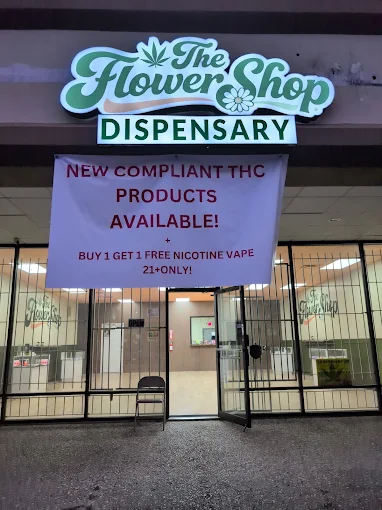
Visit The Flower Shop in North Houston
Want to see the difference indoor makes? Come smell a few jars, compare COAs side by side, and ask what's currently compliant on the shelf. We're at 16300 Kuykendahl Rd, Unit 305, Houston, TX 77068, open daily 10am–11pm. Browse the , check the , or get directions.
This article is for informational purposes only and is not legal or medical advice. Hemp and cannabis laws change frequently; check current Texas and federal rules before purchasing or traveling with any product.
Come through
Hand-picked flower on Kuykendahl Rd, open daily, 10:00am to 11:00pm.